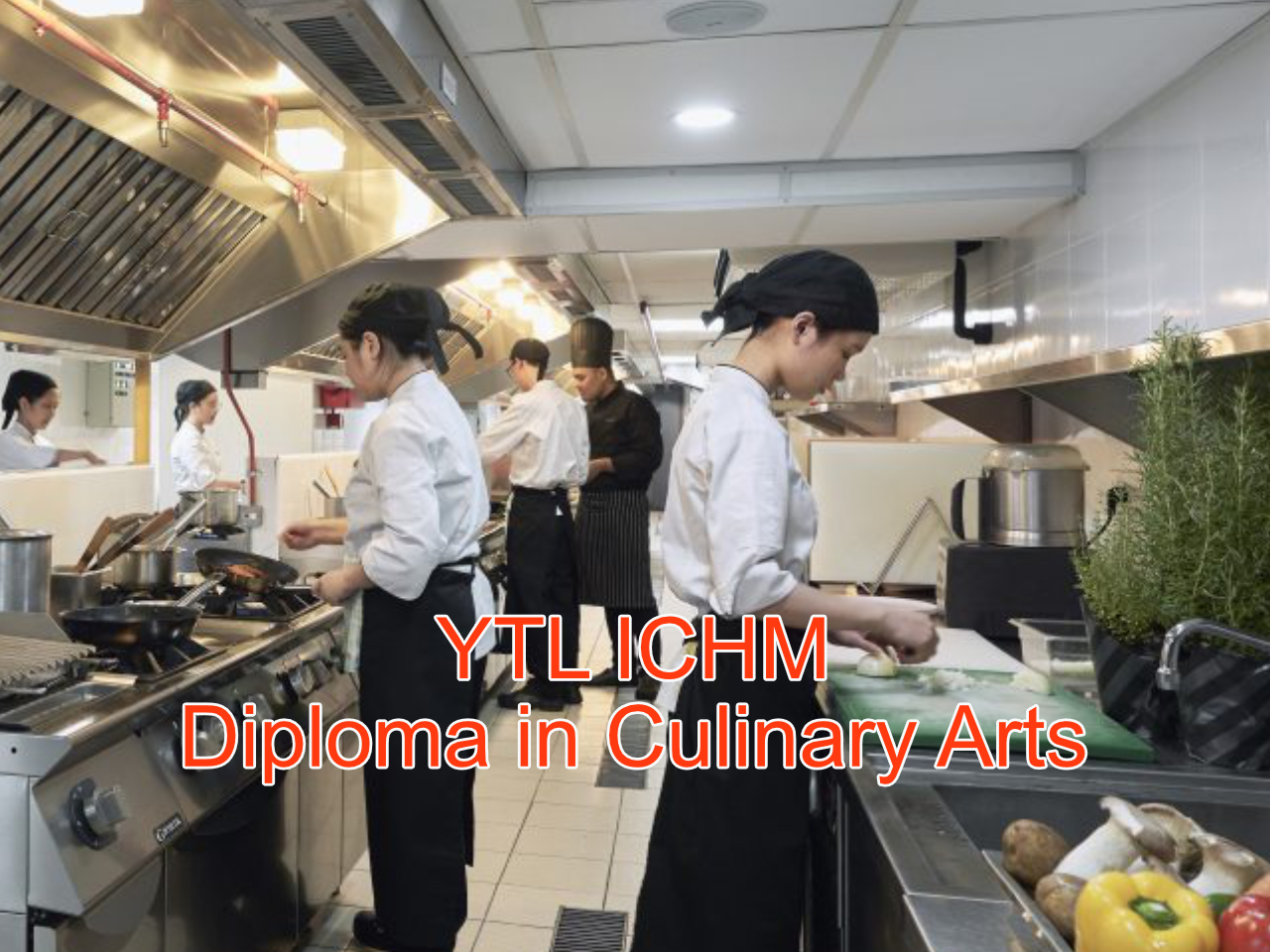
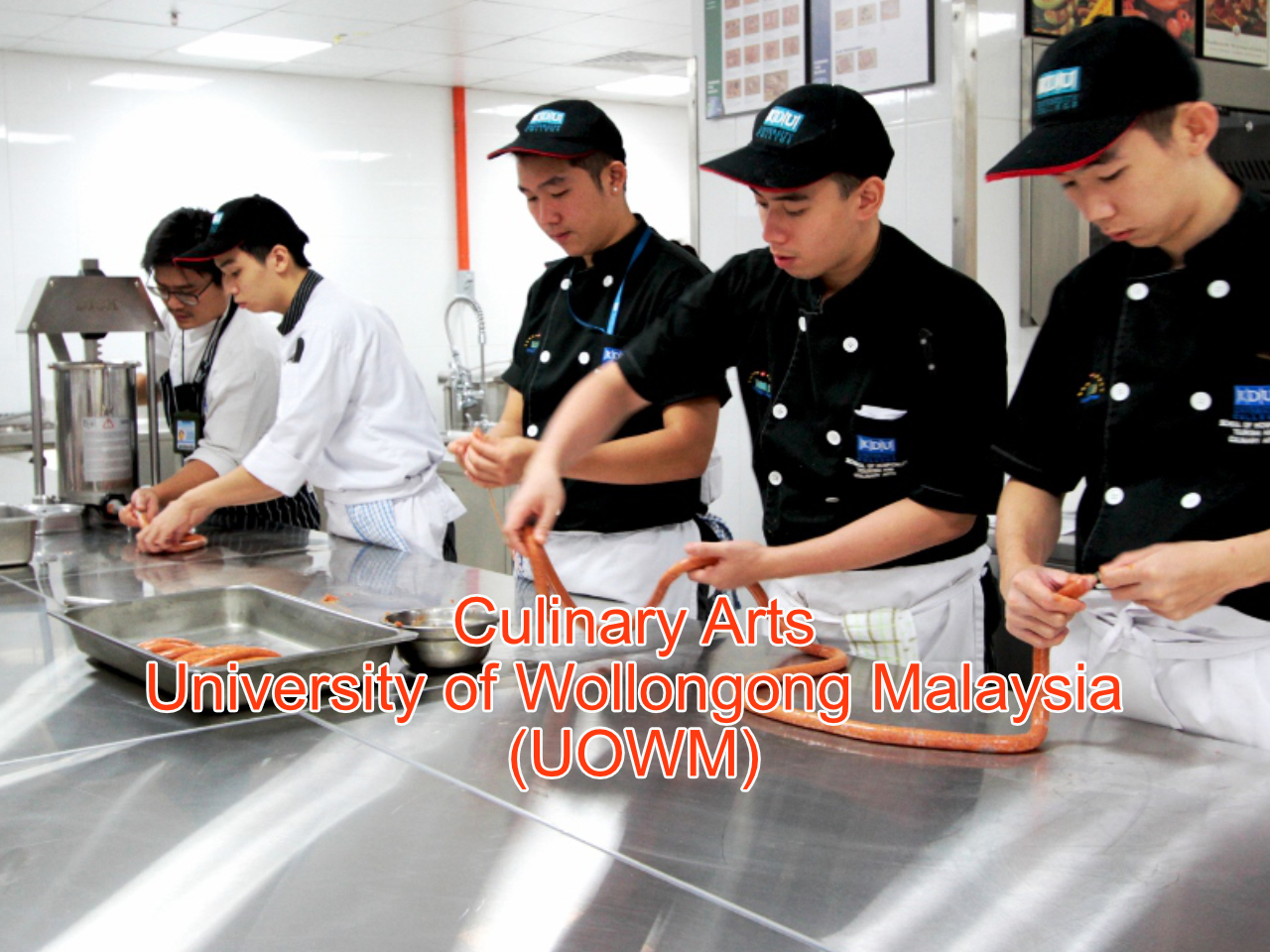
What do Professional Chefs do in their Job in Malaysia?
The food and beverage industry is one of the fastest-growing industries in the world, with growth outpacing the economy. Students after secondary school who have a passion for food and cooking can pursue a career as a professional chef in Malaysia. When you’re comparing different career options, the most important thing is to think about your interests, skills and passions. By choosing a career in a field you are passionate about as well as skillful, you will find it much easier to grow and succeed.
The culinary industry is rewarding with stable jobs globally, and being a chef offers an exciting role in this field. A chef’s career can be fulfilling, offering career advancement, job security and professional development opportunities The Food and Beverage (F&B) services sector is a relatively new sector considered in Malaysia. It has a market size of RM24.78 billion and a growth rate of 7%-10%. Source: Food & Beverage Sector 2017/2018 by British Malaysian Chamber of Commerce. It is estimated that by 2025 the restaurant industry will employ around 15.7 million workers globally. This is an increase of 1.7 million just from 2015. For those who already work in the industry, nine out of 10 claim it is a good option for a first job, and 70% of all workers between the ages of 18-65 have moved on to higher paying jobs. The highest-paying restaurant jobs reach six-figures, and are attainable for anyone with the right experience and work ethic. Understanding a chef’s job can help you decide whether you want to explore this career path after completing your SPM or IGCSE/O-Levels.
A degree or diploma in culinary arts that’s accredited by the Malaysian Qualifications Agency (MQA) is the basic requirement to become a chef in Malaysia. Basically, what you will do as a professional chef covers preparing, cooking and presenting food in different establishments such as fine dining, catering companies, restaurants, hotels, resorts, cruise ships, food trucks, franchises or bars. Depending on your level of expertise, a chef may design menus, select and buy products and supervise kitchen employees. Chefs also ensure that the cooking environment is clean to guarantee food safety. A successful chef career requires creativity, attention to detail and the ability to work under pressure. Although your job duties may vary across different workplaces, the following are some other tasks that chefs might perform:
- managing kitchen inventory and placing orders for items with low stock levels
- creating schedules for other kitchen staff
- creating budgets, tracking spending and ensuring the kitchen operates within budgetary constraints
- maintaining kitchen equipment and ensuring they function properly
- reducing food waste by using efficient food preparation techniques
- communicating with servers about orders and meal preferences
- developing new recipes and menus
- preparing special dishes on special occasions
You may also be interested to read:
- Top 5 Culinary Schools in Malaysia
- What you will Study Diploma in Culinary Arts at the Best Universities in Malaysia
- Choose to Study the Best Diploma in Culinary Arts Courses in Malaysia for Excellent Job Opportunities
- Best in Malaysia for Diploma in Culinary Arts – Choosing a Top University or College
- Top Universities & Colleges in Malaysia for Culinary Arts & Baking
- Best Cooking Culinary Courses at Top Universities & Colleges in Malaysia
- Begin an Incredible Career as a Chef with a Culinary Arts Degree from Top Culinary Schools in Malaysia
- Top 3 Private Universities in Malaysia to Study Culinary Arts Degree
- Best in Malaysia for Culinary Arts Degree Course – Choosing a Top University or College
[wpforms id=”679483″ title=”true” description=”true”]
What is the Work of a Chef Like?

Wei Kang,
Culinary Arts Graduate from KDU University College
Being well organized is key to running a successful kitchen. Ordering, scheduling, food costing, and dealing with suppliers are just some of the work involved. Chefs need to work in a team and as an Executive Chef, he or she will need to manage the kitchen staff well. The intricacies of motivating staff and getting the best out of them are important. Ultimately, the Chef will become a mentor to other chefs and having people skills is important to impart his or her skills to the next generation.
Culinary arts is perfect for people who desire to be a part of a dynamic and rewarding career. People who love people, work well with stress, creative solution providers and always on the move.
You will find that the culinary, hospitality and tourism industries possess high job prospects for graduates with the boom in tourism and increase in affluence of society. Therefore, the job prospects for the various areas of culinary arts are very positive not only locally but globally.
Who should study Culinary Arts

Fu Wei, Diploma in Culinary Arts Graduate from YTL International College of Hotel Management
The culinary, hospitality, tourism and services management industries are ideal for people who enjoy experiential learning and being able to apply their knowledge gained immediately to practice. They are people who:
- Love to cook
- Enjoy meeting new and exciting people
- Enjoy traveling and entertainment
- Are creative thinkers
- Are hands-on workers
- Are critical thinkers
- Are service oriented
- Provide quick and creative solutions to different kinds of challenges
- Enjoy being a part of a exciting environment
- Work in flexible hours
- Love to explore new and different cultures
Plus points for qualified chefs in Malaysia
- Able to travel round the world
- Able to obtain jobs worldwide easily
- Able to get extra points in the application for Permanent Residency (PR) status in certain countries like Australia, UK, USA or Europe
- Able to network with people from all levels
Nature of the work for chefs in Malaysia
- Long hours
- Weekend work may be required
- High pressure at peak periods
- Service oriented – provide a high level of services
- Customer emphasis – able to cater and adapt customer’s needs and requests
- Dynamic – on-the-go
- Able to adapt to changes and stress
To be successful in the world of culinary arts, you will need to know more than just cooking. You will need to master both the culinary and non-culinary skills listed above to better prepare you for any type of profession in the culinary industry. The first step is to choose a reputable private university for culinary arts in Malaysia. Make sure to choose a Culinary Arts degree that includes business and marketing skills along with hospitality skills. They can help you in your future culinary goals and pursuits, whether your goals are to open up your own restaurant one day or to take your unique recipes to the masses.
It is important to choose a culinary school in Malaysia that has years of experience or that can provide you with excellent exposure to the industry. The best can help prepare you with the necessary knowledge and skills for a successful career.
What are the Different Types of Job Positions for Chefs

Kar Wai, Diploma in Culinary Arts at YTL International College of Hotel Management
The chef is not only a cook, but an artist, a manager, a chemist, and an entrepreneur. The successful chef has to adapt to the dynamic changes of modernization and demands of the clientele. The beauty of a career in culinary is that you can either work for prominent international hotels and restaurants or branch out with your own restaurant. In large establishments an Executive chef may oversee chefs in charge of specializing in everything from sauces to chocolates.
On a typical day a chef will:
- create recipes;
- measure, mix, and cook ingredients according to recipes;
- direct the work of other kitchen workers;
- estimate food requirements;
- order food supplies;
Executive chef

Desmond, Culinary Arts at KDU University College
The Executive Chef is the highest position in the industry. Their primary function is to manage the food preparation and cooking for a restaurant. Often, an executive chef will be responsible for a chain of restaurants or other food service establishments.
Some of the work involved are planning menus, estimating food requirements and costs, and supervising the work of sous-chefs, chefs and cooks, and other kitchen staff. They also take care of the hiring and recruitment of kitchen staff. Depending on the occasion, some executive chefs may cook regularly while others may cook for only for special occasions.
Executive chef In most full-service restaurants and institutional food service facilities, the management team consists of a general manager, one or more assistant managers, and an executive chef.
- Oversee kitchen operations, planning menus, quality control and presentation of meals.
- Responsible for all food preparation activities, estimate food requirements and costs, stock control, and dealing with suppliers.
- Supervise the work of sous-chefs, chefs and cooks, and other kitchen staff.
- Recruiting and managing staff, work delegation, and adherence to high service standards.
- Often, will be responsible for different kitchens of a hotel, a chain of restaurants or other food service establishments.
Chef de cuisine
- Reports to an executive chef and is responsible for the daily operations of a single kitchen.
Sous-chef
- Sous-chefs are like front line managers where they supervise the work of chefs, cooks, and other kitchen workers. They often demonstrate new cooking techniques, recipes, and usage of equipment. In some kitchens, sous-chefs may plan menus, order food and kitchen supplies, and prepare and cook meals and specialty foods.
- They are managerial chefs on the front line where they supervise the work of chefs, cooks, and other kitchen workers
- Demonstrate new cooking techniques, recipes, and equipment to the kitchen staff.
- May plan menus, order food and kitchen supplies, and prepare and cook meals and specialty foods.
Chef
- Basically, prepares, season and cook a wide range of foods
- In general, chefs measure, mix, and cook ingredients according to recipes, using a variety of pots, pans, cutlery, and other equipment, including ovens, broilers, grills, slicers, grinders, and blenders.
- Chefs also are responsible for directing the work of other kitchen workers, estimating food requirements, and ordering food supplies.
- Each chef or cook works an assigned station that is equipped with the types of stoves, grills, pans, and ingredients needed for the foods prepared at that station. Job titles often reflect the principal ingredient prepared or the type of cooking performed—vegetable cook, fry cook, or grill cook.
Saucier
- Responsible for making all the sauces or dishes cooked in a particular sauce or gravy.
- Sauciers must be highly knowledgeable when it comes to the possible mixtures and permutations that can create a fine sauce.
Chef de Garde Manger
- The chef is in charge of all cold dishes such as appetizers, desserts, pates, cold sauces, salads, dressing and sandwiches. Garde mangers are often skillful in using leftovers to create new dishes.
- The chef who, in the classic French kitchen brigade system, is responsible for all cold foods.
- “Garde Manger” is a French term for the pantry area where cold dishes are prepared and stored — foods like appetizers, desserts, pates, cold sauces, salads, dressing and sandwiches.
Pastry or Patisserie Chef
- Baking and pastry arts are a subspecialty of culinary arts, focused on breads, pies, cakes, pastries and other sweet treats. Baking and pastry training programs focus on the foundation of pastries – flour, sugar, butter, dairy, and eggs – and how to combine these simple ingredients to form any number of dessert items.
- With a pastry arts training, you can work as a restaurant pastry chef, wedding cake designer, catering professional, artisan baker, or open your own cake shop specializing in anything you like. These days, modern bakers are likely to niche down and offer a single category of products, be it ice cream, cupcakes, caramels or gluten-free baked goods.
- Baking is more technical than cooking, because bakers can’t swap one ingredient (like sugar) for something else (like honey or molasses) and expect the recipe to have the same flavor, texture and consistency. If you are more analytical and enjoy using creativity within a structured environment, you might gravitate naturally toward the pastry arts.
- Pastry chefs have the enviable job of creating a multitude of baked good and confections from cookies and cakes to chocolates, petitfours, beignets… any dessert you can think of! The Pastry Chef has to be In creative and well-versed in dessert tastes and flavors.
- Create a multitude of baked goods and confections — everything from cookies and cakes to chocolates Work involves the preparation of pastries, such as cakes, candies, chocolates, and other specialty dessert items in retail and commercial settings.
- Pastry chefs with sound business skills can move on to opening their own pastry shop or bakery.
Sommelier/Wine Steward
- Positions in this area require a deep appreciation and understanding of wines, spirits, liqueurs, beers, coffee, tea and other non-alcoholic beverages, including production, bottling, storage, distribution, marketing and pairing with food.
- The position requires a high level of innovation in beverage products and involves sales skills.
- They may work with vineyards, fine dining restaurants, hotels, cruise lines, chain restaurants or managing multiple high volume accounts for regional spirits distribution companies.
- Many fine restaurants with extensive wine lists employ sommeliers — wine experts who recommend wines to customers that are most appropriate for their meals.
- Drinking and judging wine may sound like an ideal job, but it’s difficult work that requires extensive practice and knowledge.
- Many take classes at the best culinary schools that teach the chemistry behind making wine, how to taste the wine, and how to judge its colour, aroma, flavour and body.
- Good senses of taste and smell are essential and a knowledge of food chemistry can be helpful.
Institution and cafeteria chef
- Works in the kitchens of schools, cafeterias, businesses, hospitals, and other institutions. For each meal, they prepare a large quantity of a limited number of entrees, vegetables, and desserts.
Research chefs
- Combine culinary skills with knowledge of food science to develop recipes and test new formulas, experiment with flavours and eye appeal of prepared foods.
- Test new products and equipment for chain restaurants, food growers and processors, and manufacturers and marketers.
Catering Career
- The job basically entails the planning of the menu and pricing for a meal to be served at the premises of the client. A good catering company can ensure the success of an event.
- They will work with the clients planning the food, decorations, entertainment and location of the function while ensuring profitability.
- Caterers may specialize in birthday parties, official opening of shops, official launching of products, weddings, seminars, conferences and other functions.
Beverage professionals
- Underneath the umbrella of beverage professional fall careers like sommelier, wine maker, brewer, barista or a service variation of these positions, such as a coffee shop or wine store owner.
- Beverage professionals may work in customer-facing roles (such as sommelier or barista) or work on the production end of things (crafting wine, brewing beer, sourcing third-wave coffee beans, or curating a shop).
Restaurant manager
- Restaurant managers are the heart and soul of the restaurant operation. With acute restaurant knowledge and business acumen, managers keep everything running so the restaurant can be profitable, while putting out fires in the front or back of house.
- A modern restaurant manager might specialize in working with service staff to uphold customer service standards, or they might work behind the scenes, making sure cooks work efficiently, follow portioning guidelines and keep a sanitary kitchen.
- Restaurant managers schedule employees, train and hire, perform ordering and inventory, and dig into the data to see how the restaurant is performing and where there’s room for improvement.
Food stylist or photographer
If you love food and arts, then there are many roles in the food and beverage industry for you. Food stylist and food photographer are two of the most common. With these roles, you stage and photograph food for magazines, websites, television shows and more. In addition to a thorough understanding of food principles, you’ll need arts skills, which can be gleaned through formal education or on-the-job experience.
Food and Beverage writer
Whether you want to review restaurants, write culinary history books, write a cookbook or create a food blog where you sell books and courses, a food and beverage writing job combines hands-on skills with research and writing skills. By learning culinary arts or steeping yourself in the beverage industry you wish to write about (say, by working at a wine shop or interning with a winemaker), you can build your skills and confidence, gain insider knowledge, and start writing about your culinary interests. Depending on your goals with food and beverage writing, other areas of knowledge may be a fit. If food history is your calling, you’ll a want history degree. If you hope to start a successful and lucrative food blog, food photography and social media knowledge are also good skills to master.
Others
- Others combine their culinary education with their personal and professional interests, such as writing or photography, which can lead to careers in food writing for newspapers, magazines or cookbooks. And, of course, there is also food styling, the profession that makes food look its best and/or authentic in front of a camera to produce both still-pictures and video productions that we see of food.
- Grocery and specialty food stores employ chefs, cooks, and food preparation workers to develop recipes and prepare meals for customers to carry out. Typically, entrees, side dishes, salads, or other items are prepared in large quantities and stored at an appropriate temperature.
Career opportunities in Culinary Arts in Malaysia
- Restaurants
- Bakeries
- Cafes and pubs
- Fine dining restaurants
- Boutique restaurants
- Fast food
- Hotels & resorts
- Spas
- Airlines
- Leisure such as theme parks
- Gaming & casinos
- Cruise Lines
- Food service operations in hospitals or universities
- Managed services
- Catering
- Food Media
- Private clubs
- Conference & exhibitions
- Grocery stores
- Spas
- Distributors
- Wineries
- Hypermarket chains
- Entertainment industry such as celebrity chef
- Education – teaching at colleges or universities
Types of positions in the Culinary jobs in Malaysia
- Expediter
- F&B manager
- Restaurant manager
- Outlet Manager
- Banquet & Catering Sales Manager
- Restaurant/Café owner
- Sommelier/Wine steward
- Banquet Chef
- Fish Cook
- Chef de Garde Manger
- Kitchen Manager
- Meat Cutter/Butcher
- Pasta chef
- Rounds/Swing chef
- Saucier
- Saute chef
- Vegetable chef
- Personal chef
- Demi Chef
- Commis 1,2/Junior chef
- Pastry chef
- Chef Tournant
- Line cooks
- Chef de garde manger
- Chef de Partie
- Assistant cook
- Chef-de-cuisine,
- Junior sous chef
- Sous chef
- Food & Beverage manager
- Restaurant manager
- Food Service Outlet Manager
- Banquet and Catering Sales Manager
- Food Nutrition Balance Counselor in hotels or hospitals
- Restaurant/Café owner